Pakistani Shami Kebab Near Me – Authentic Spots and Recipe
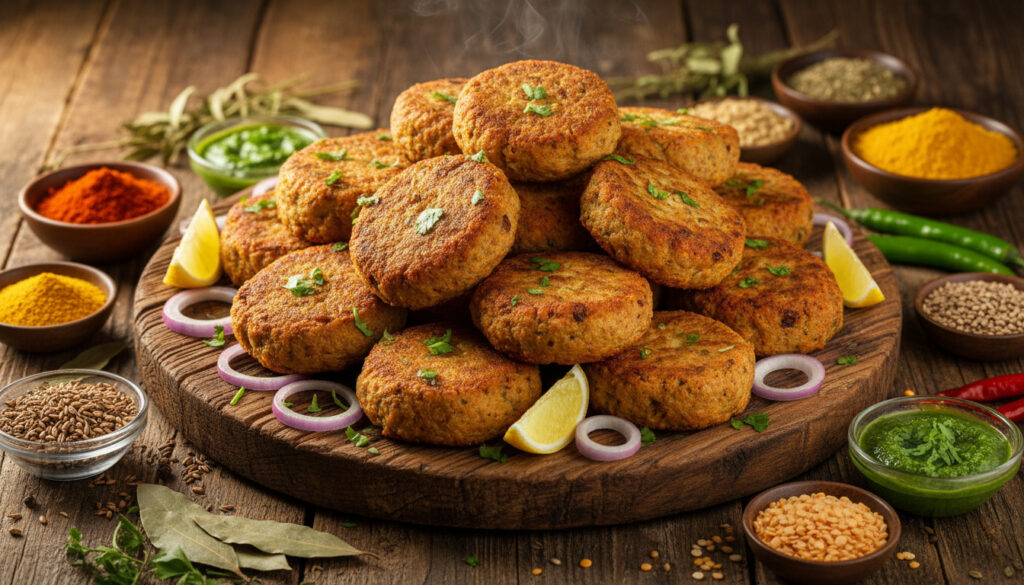
Locating authentic Pakistani shami kebab near me requires distinguishing between genuine culinary craft and generic alternatives. These soft, lentil-bound patties offer a distinct textural experience characterized by a silky, threaded interior that separates them from firmer grilled kebabs commonly found in South Asian restaurants.
The pursuit of quality involves recognizing specific markers of authenticity. True Pakistani shami kebab relies on chana dal as a fundamental binding agent, utilizes specific cuts of boneless beef or mutton, and achieves a delicate consistency historically developed for 18th-century royalty with dental limitations.
Modern diners increasingly seek these preparations through local restaurants and delivery platforms, necessitating knowledge of what constitutes proper technique versus adapted shortcuts.
Where to Find the Best Pakistani Shami Kebab Near You
Minced meat patty bound with yellow split peas, delivering characteristic softness
Prioritize halal-certified Pakistani kitchens over generic Indian restaurants
45-minute stovetop method or 20-minute pressure cooker technique
Inspect for chana dal inclusion and “reshaydar” threaded texture
- Diaspora Demand: Search volumes for Pakistani shami kebab have increased significantly in cities with established South Asian communities. Market analysis indicates rising demand for authentic ethnic comfort foods.
- Halal Compliance: Authentic preparations inherently follow zabiha standards using beef, mutton, or chicken.
- Platform Accessibility: Uber Eats and DoorDash now list specialized Pakistani vendors offering proper shami preparations.
- Regional Variations: Karachi-style preparations typically feature higher spice levels compared to Lahore-style milder versions.
- Texture Indicators: Authentic specimens display a fibrous, threaded interior visible when broken apart.
- Meat Standards: Quality establishments utilize boneless beef chuck or stew meat rather than ground alternatives.
| Fact | Details |
|---|---|
| Geographic Origin | 18th-century Lucknow, Awadh (Mughal India) |
| Primary Protein | 1-2.5 lb boneless beef chuck or mutton |
| Essential Lentil | ⅓-1¼ cup chana dal (yellow split peas), soaked 1-2 hours |
| Texture Profile | Soft, threaded (“reshaydar”) interior; crisp exterior |
| Caloric Density | 250-350 calories per 100g patty |
| Religious Certification | Inherently halal when using zabiha beef/mutton/chicken |
| Primary Cooking Method | Boiled, ground, then shallow-fried with egg wash |
| Preparation Duration | 45 minutes stovetop or 20 minutes pressure cooker |
| Key Spice Components | Cinnamon, black cardamom, cloves, coriander, cumin |
| Binding Additives | 1-3 eggs, optional potato or bread slice |
What Exactly is Pakistani Shami Kebab?
Comparing Shami and Seekh Varieties
Shami kebab presents as a soft, flattened patty containing ground meat and chana dal, shallow-fried without skewers. Seekh kebab, by contrast, consists of pure minced meat formed into cylindrical logs grilled on skewers over open flames. The shami variety emphasizes silkiness derived from lentil integration, while seekh focuses on charred exterior complexity and coarser meat texture.
Spice Tolerance and Customization
Contrary to assumptions about South Asian cuisine, Pakistani shami kebab is not inherently spicy. Standard recipes incorporate 2-8 red chilies or approximately two teaspoons of powder, though family preparations often maintain milder profiles than restaurant versions. Heat levels remain fully adjustable through modification of serrano or green chili quantities added during the grinding phase.
Pakistani preparations evolved post-Partition to favor beef over the mutton traditionally used in Lucknowi royal kitchens, reflecting local availability and preference shifts following 1947.
Mughal Era Beginnings
The dish originated in 18th-century Lucknow within the Awadh region of Mughal India, specifically developed for Nawabs suffering from dental issues. The term “shami” derives from “shamshi,” referencing the soft consistency engineered for edentulous royalty. Persian culinary influences merged with Indian ingredients during this period, creating a hybrid preparation that migrated to Pakistan following Partition and established itself as a staple of home cooking and iftar traditions. Historical records detail the culinary sophistication of Awadh’s royal kitchens.
Authentic Pakistani Shami Kebab Recipe for Home
Essential Components
Authentic preparation requires boneless beef chuck or stew meat, never ground beef, to achieve proper threading. Soak ⅓ to 1¼ cups of chana dal (yellow split peas) for one to two hours, avoiding regular chickpeas. Aromatics include one onion, one to two inches of ginger, four to five garlic cloves, and two to five green chilies. The spice blend incorporates red chili powder, turmeric, coriander seeds, cumin, cinnamon stick, black cardamom, cloves, black pepper, and bay leaf. Fresh cilantro, optional mint, and one to three eggs serve as binding and flavoring agents.
Preparation Method
Combine meat, soaked dal, whole aromatics, and spices in a pot with water. Simmer 45 minutes stovetop or pressure cook 20 minutes until the mixture becomes mashable and water evaporates. Cool the mixture completely, then grind coarsely with fresh herbs, chopped onion, and beaten egg. Refrigerate thirty minutes to firm the dough. Shape into two to three inch patties, dip in egg wash, and shallow-fry in oil until golden brown on medium heat.
Cooling the boiled mixture before grinding prevents over-processing and ensures the signature “reshaydar” or threaded texture that distinguishes authentic shami kebab from dense meat patties.
Nutritional Breakdown
Each 100-gram patty delivers approximately 250-350 calories, deriving 20-25 grams of protein from the meat and lentil combination, 15-20 grams of fat primarily from frying and beef content, and roughly 15 grams of carbohydrates. Nutritional analysis confirms significant iron and B-vitamin content, though the preparation does not qualify as low-calorie due to the shallow-frying technique. Baking or air-frying alternatives reduce fat content but alter traditional texture.
Top Tips for Spotting Authentic Pakistani Shami Kebab
Verify the presence of chana dal in ingredient descriptions; authentic versions list yellow split peas prominently, while imitations may omit lentils entirely or substitute incorrect varieties resulting in dense, meatball-like consistency. Examine cross-sections for visible threading or fibrous separation indicating proper grinding technique. Confirm halal certification displayed prominently at restaurants, particularly those specializing in Pakistani rather than generalized South Asian cuisine.
Quality establishments utilize boneless chuck or stew meat specified explicitly on menus, avoiding ground beef mixtures. The aroma should suggest whole roasted spices including cardamom and cloves rather than generic curry powder. When ordering delivery, prioritize vendors with 4.5-plus ratings specifically mentioning “soft,” “threaded,” or “traditional” texture descriptors in customer reviews.
Generic “kebab platters” at non-specialized restaurants often present seekh kebab mislabeled as shami, or serve chicken patties lacking the required lentil base and beef content definitive of Pakistani tradition.
The Historical Journey of Shami Kebab
- 18th Century Awadh: Creation in Lucknow’s royal kitchens for Nawabs with dental limitations, establishing the soft texture requirement. Source: Untold Recipes by Nosheen
- Mughal Integration: Persian kebab techniques merge with indigenous Indian ingredients and spice traditions. Source: Tea for Turmeric
- Post-Partition Evolution: Migration to Pakistan and adaptation utilizing beef predominance over traditional mutton. Source: Recipe52
- Diaspora Globalization: Establishment of specialized restaurants in London, Toronto, New York, and other major cities serving expatriate communities.
- Modern Delivery Era: Integration into Uber Eats and DoorDash platforms, expanding access beyond traditional geographic enclaves.
Established Facts Versus Common Variations
| Established Information | Information That Remains Unclear |
|---|---|
| Chana dal (yellow split peas) is the essential binding agent distinguishing authentic preparation | Specific individual chef credited with original royal kitchen creation |
| Boneless beef chuck or mutton produces optimal texture compared to pre-ground meats | Precise spice measurements vary significantly between family traditions and regions |
| Halal status is standard when using zabiha-certified beef, mutton, or chicken | Specific “best” local restaurants without geographic specificity in available data |
| “Reshaydar” or threaded interior texture indicates proper technique | Exact caloric values depend on variable oil absorption during frying |
| Origins trace definitively to 18th-century Lucknow within Mughal territories | Comprehensive nutritional testing data for standardized serving sizes |
Cultural Significance and Modern Demand
Pakistani shami kebab functions as comfort food and ceremonial staple, particularly during Ramadan iftar gatherings where its soft texture breaks the fast gently. The dish represents Mughal culinary heritage adapted to Pakistani national identity, distinguishing itself from Indian variations through beef predominance and specific spice balances. When Will WASPI Get a Decision – 2026 Update and Timeline For those seeking authentic Pakistani shami kebab recipes and nearby restaurants, explore Beste Salate zum Grillen.
Diaspora communities in the United Kingdom, Canada, and the United States maintain these preparation standards through family restaurants and specialized delivery kitchens. Search trends indicate growing interest among non-South Asian diners seeking alternatives to firmer, grilled kebab styles, driving demand for authentic educational content regarding proper texture and ingredient identification.
Source Attribution and Expert References
Shami kebab originated from the Lucknowi cuisine of Awadh during the Mughal era, blending Persian and Indian influences, and became a staple in Pakistani cooking with roots in royal kitchens.
— Untold Recipes by Nosheen
These kebabs were served minced for Nawabs with weak teeth, creating the soft, threaded texture that defines authentic preparation today.
— Recipe52
Summary and Next Steps
Authentic Pakistani shami kebab requires chana dal integration, boneless beef or mutton preparation, and specific grinding techniques to achieve the historical “reshaydar” texture. Diners should verify halal certification and lentil inclusion when selecting local restaurants, while home cooks can replicate the dish using pressure cooker methods for efficiency. Adobe Creative Cloud Download – Official Steps for Windows and Mac
Frequently Asked Questions
What is the difference between Shami Kebab and Seekh Kebab?
Shami kebab is a soft, lentil-bound patty fried flat without skewers, while seekh kebab consists of pure minced meat formed into logs on skewers and grilled over fire.
Is Pakistani Shami Kebab spicy?
Not necessarily. While standard recipes include 2-8 red chilies, home versions are often milder than restaurant preparations, with customizable heat levels.
What are the historical origins of Shami Kebab?
The dish originated in 18th-century Lucknow during the Mughal era, created specifically for royalty with dental issues, deriving its name from “shamshi” meaning soft.
What is the nutritional content of Shami Kebab?
Each 100g patty contains approximately 250-350 calories, 20-25g protein from meat and lentils, 15-20g fat from frying, and 15g carbohydrates.
Is Pakistani Shami Kebab always halal?
Authentic preparations using beef, mutton, or chicken from zabiha sources are inherently halal, though diners should verify certification at specific restaurants.
What meat works best for authentic Shami Kebab?
Boneless beef chuck or stew meat is preferred for its threaded texture, though mutton and chicken are acceptable alternatives in Pakistani recipes.
More related posts